When it comes to food preparation, every family has its own unique traditions, routines, and quirks. But what happens when food safety practices clash with longstanding habits? Imagine sitting down to dinner, only to realize the potatoes on the table were cooked with their skins unwashed. Do you dig in, or do you hold back, especially when your kids are involved.
Why Washing Vegetables Is More Than Just a Habit

First things first, let’s address the basics. Washing vegetables isn’t just a step in your recipe—it’s a critical part of ensuring your food is safe to eat. Potatoes, in particular, grow underground and are covered in soil when harvested. That soil isn’t just dirt; it can harbor bacteria like E. coli or Salmonella, which are known to cause foodborne illnesses.
Even though cooking kills many bacteria, washing is a precautionary measure that prevents dirt, harmful microorganisms, and even pesticide residues from making their way into your meal. Think of it like washing your hands before you eat—it’s a simple step that protects your health and your family’s.
The Risks of Eating Unwashed Potatoes
Let’s get real: eating unwashed potatoes is more than just a little gross—it can actually be risky. Soil clinging to the potato skins often contains bacteria, and in rare cases, these bacteria can make you or your loved ones seriously ill. Here are the two major risks associated with eating unwashed potatoes:
- Bacterial Contamination
Soil can harbor harmful bacteria like Listeria, E. coli, and Salmonella. If these aren’t washed away, they may end up on your plate, posing a risk of foodborne illnesses that can cause symptoms like nausea, vomiting, or worse. - Pesticide Residue
Many commercially grown potatoes are sprayed with pesticides to keep pests away. These chemicals often remain on the skin and require thorough washing to remove. Consuming pesticides over time could lead to health issues, particularly for children with developing immune systems.
When you factor in kids at the dinner table, the stakes get even higher. Their smaller bodies are more vulnerable to toxins and bacteria, making washing potatoes a non-negotiable step in food preparation.
The Nutritional Goldmine in Potato Skins
Here’s the catch: while unwashed potato skins can pose risks, properly cleaned potato skins are a nutritional treasure trove. The skin of a potato contains:
- Fiber, which aids digestion.
- Vitamin C, an immune booster.
- Potassium, vital for muscle function and heart health.
- Antioxidants, which protect your cells from damage.
In fact, peeling potatoes removes about 50% of their fiber and 20% of their nutrients. So, the goal isn’t to avoid potato skins altogether but to make sure they’re clean enough to safely enjoy. A properly scrubbed potato lets you enjoy the best of both worlds: flavor and nutrition.
Cultural Habits vs. Modern Food Safety
Let’s not forget: cooking and eating habits are deeply tied to culture and family traditions. In some households, cooking potatoes with unwashed skins might be seen as harmless, even a time-saving trick. After all, “We’ve done it this way for years, and no one’s ever gotten sick,” might be the rationale.
But food safety practices have evolved alongside our understanding of bacteria and pesticides. Just because something was a common practice in the past doesn’t mean it’s the safest option today. While honoring tradition is important, so is prioritizing health—especially when young children are involved.
How to Properly Wash Potatoes for Maximum Safety
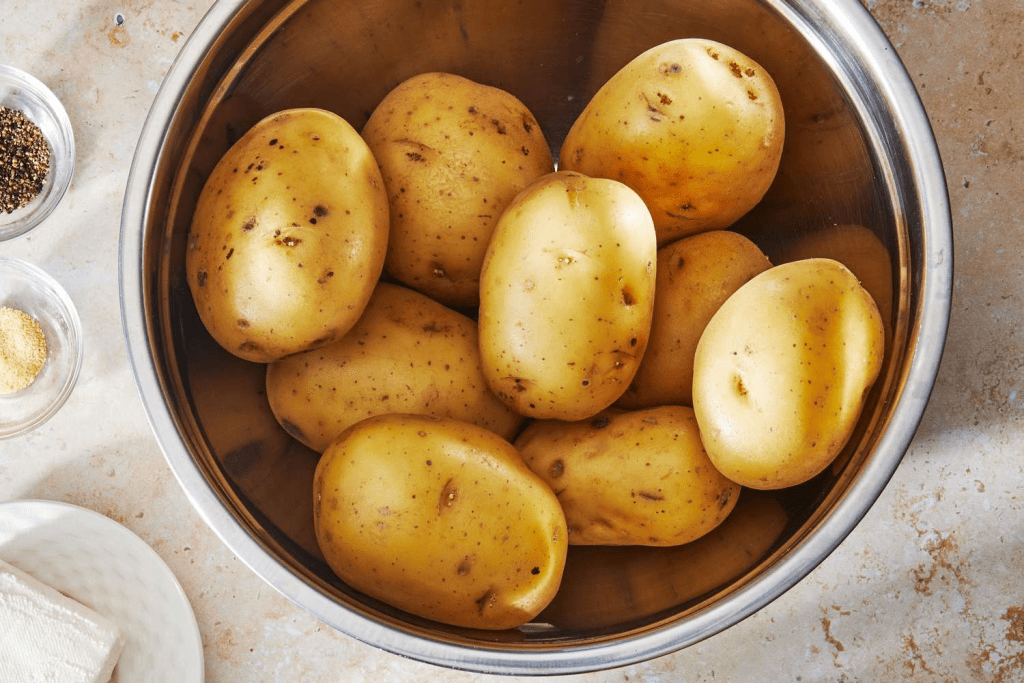
Washing potatoes isn’t rocket science, but doing it the right way ensures you get rid of all the dirt and harmful residues. Follow these steps for clean, safe potatoes every time:
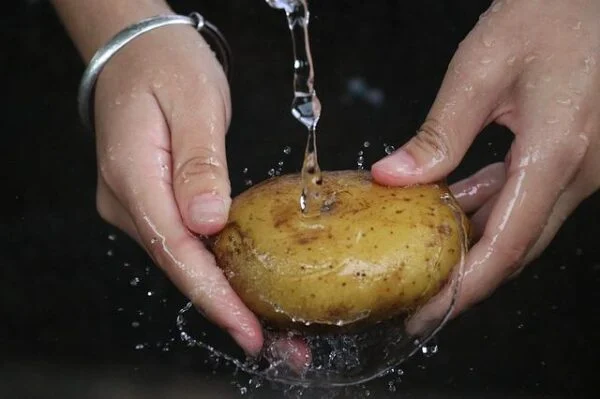
- Rinse Thoroughly
Hold the potatoes under cold running water to wash away surface dirt. - Scrub the Skins
Use a vegetable brush to gently scrub the skins. This step is especially important for removing stubborn dirt and bacteria lodged in crevices. - Soak (Optional)
For an extra layer of safety, soak the potatoes in a mixture of water and vinegar for about 10 minutes. This helps loosen dirt and remove pesticide residues. - Rinse Again
Give the potatoes a final rinse to ensure no debris remains.
Once you’ve cleaned them, you can cook your potatoes however you like—boiling, roasting, or mashing—with peace of mind.
Addressing Food Safety Concerns with Family
If you’re ever in a situation where a family member prepares unwashed potatoes, addressing the issue can be tricky. No one wants to come across as judgmental or ungrateful, but food safety is too important to ignore. Here’s how you can approach the conversation diplomatically:
- Start with Empathy
Acknowledge their effort in preparing the meal. For example, “I really appreciate all the work you put into dinner tonight.” - Express Your Concerns Gently
Share your concerns without making it personal. You might say, “I’ve been reading about how washing potatoes can help remove bacteria and pesticides. It’s something I’m trying to be more mindful of, especially for the kids.” - Offer Solutions
Suggest ways to help next time, like assisting with the prep or offering to bring a vegetable scrubber as a gift.
Approaching the conversation with respect and understanding can help ensure your concerns are taken seriously without hurting feelings.
Finding the Balance Between Safety and Tradition
At the end of the day, the decision to eat or avoid unwashed potatoes boils down to balancing safety and tradition. It’s possible to honor family cooking habits while also incorporating modern food safety practices. Whether it’s washing potatoes before cooking or gently communicating your concerns, the goal is to create meals that are safe, delicious, and enjoyable for everyone at the table.
Conclusion: Clean Potatoes, Happy Family
So, is washing potatoes before cooking a must? Absolutely. It’s a simple, effective step that protects you and your family from potential health risks while preserving the rich nutrition that potato skins offer. While family traditions and cooking habits may differ, prioritizing food safety doesn’t have to mean abandoning what you love. By taking small, thoughtful steps—like properly washing potatoes—you can keep mealtime both safe and meaningful. After all, when it comes to feeding your loved ones, why take unnecessary risks?
